SIGNS OF SEXUAL ABUSE
Many people, especially children, do not admit to being the victim of sexual abuse or even do not believe they are victims at all. Rather, they will display emotional, behavioral, and physical changes that may appear out of character to those who know them.
Common emotional signs of sexual abuse include:
- Depression such as constant crying, low self-esteem, withdrawal, or suicidal thoughts
- Severe anxiety such as clinging or nightmares
- Severe anger such as unmitigated aggression, tantrums, or increased irritability
Common behavioral signs of sexual abuse include:
- Sudden behavioral changes
- Changes in grades, schoolwork, or focus in academics
- Unexplained fears of specific places and types of people
- Fear of spending time alone with a specific individual
- Fear of being touched
- Reverting to activities and tasks performed when they were younger
- Delinquency
- Substance abuse
- Self-harm such as self-mutilation or unexplained recklessness
- Excessively playing with their own private parts
- Engaging in sex play with toys, friends, and pets
- Creating drawings that depict sexual acts
- Inappropriate and unusual questions regarding sex
Common physical signs of sexual abuse include:
- Issues sitting or walking
- Rectal bleeding
- Physical pain or itchiness in their private areas
- Blood stains or other forms of discharge found on undergarments
- Wetting their clothes or the bed
- Sleeping issues
- Eating less or more than usual
- Stomachaches
If you, your child, or someone you love is experiencing sexual abuse, help is available. Our Los Angeles sexual abuse lawyer could help you take action against the perpetrator.
What to do After a Sexual Assault
The most important thing after a sexual assault is your safety. Get yourself to a safe location. If the situation is an emergency, call 911.
As difficult as it may be, do not shower, bathe, wash any part of your body, change clothes, or change anything about your appearance. Do not brush your teeth, eat, or drink. Try not to go to the bathroom. Go as you are to get medical treatment.
Part of your medical exam will include a sexual assault evidence kit, which is why it is vital you do not clean your body or remove your clothing. You do not have to immediately decide whether to involve the police, but this kit preserves evidence if you choose to file a criminal complaint or take civil action.
During the exam, doctors will also care for physical injuries and provide you with treatments to prevent HIV, sexually transmitted infections (STIs), and pregnancy, if necessary.
After a sexual assault, it is essential to seek out support from trusted family members, friends, healthcare professionals, and sexual abuse resource providers. You should also consider speaking to the police or consulting with our Los Angeles sexual abuse attorneys.
Resources for Sexual Abuse Survivors
One of the primary resources for sexual abuse survivors across the country is the Rape, Abuse & Incest National Network (RAINN). RAINN’s website contains a wealth of information about sexual abuse and sexual assault. RAINN also operates a 24-hour crisis hotline you can reach at 800-656-HOPE.
Los Angeles sexual abuse survivors can use the California Directory of Rape Crisis Centers to find help from crisis support centers throughout Los Angeles County. You can even narrow your search to find support within a 25-mile radius of where you live.
California survivors also have numerous statewide resources, including many through the Department of Justice (DOJ). You can access several of them through the California Attorney General’s Office, which provides links to the Victims’ Services Unit, California Victim’s Bill of Rights (Mary’s Law), and a portal to check on the status and location of your evidence kit.
DAMAGES IN A SEXUAL ABUSE CASE
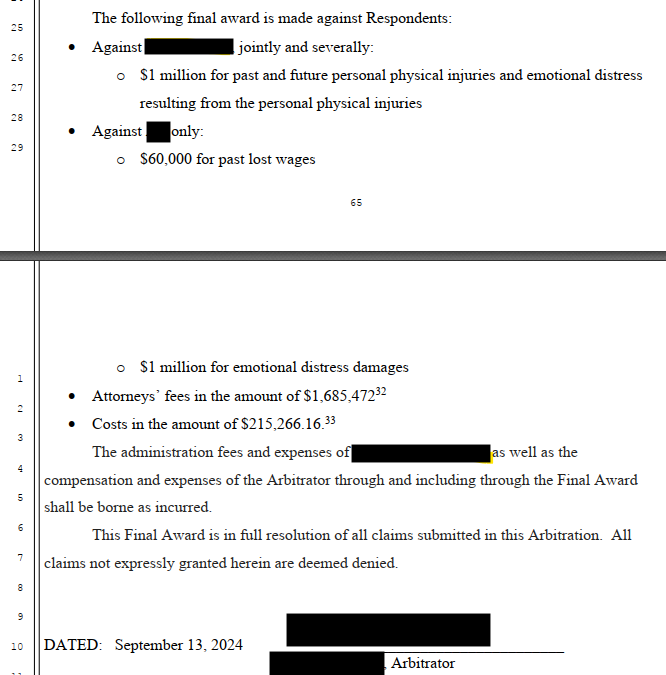
If a plaintiff proves a defendant is liable for sexual abuse in a civil case, they are entitled to the same damages that are available to personal injury victims. The three types of damages include economic, noneconomic, and punitive damages.
Economic damages entail tangible losses caused by the sexual abuse. Common examples include past and future medical expenses, ongoing psychiatric care, and lost wages due to the inability to work or perform their job.
Noneconomic damages consist of the types of harm the victim suffered and will continue to suffer as the result of sexual abuse. Common examples include pain and suffering, emotional distress, loss of enjoyment in life, and loss of consortium.
Punitive damages are only available if the defendant maliciously and intentionally causes harm. The main purpose of such damages is to punish the defendant for their actions and deter similar conduct by making an example out of the defendant.
Common types of sexual abuse include:
- Forced penetration without consent
- Forced sexual touching
- Unwanted oral sex
- Forcing another person to view pornographic materials
- Taking and/or distributing sexual images without consent
- Exposing private parts to another individual or forcing someone to expose themselves
- Making unwanted sexual requests
In order to prove sexual abuse in civil court, the plaintiff and their Los Angeles lawyer must show that it is more likely than not that the perpetrator committed the alleged abuse, which is lower burden proof compared to criminal court. The plaintiff can bring in evidence from a criminal case to use as evidence in a civil case, according to the “collateral estoppel” rule. Even if there weren’t any criminal charges filed, a plaintiff can still bring a civil case.
What Is the Statute of Limitations for Sexual Abuse?
California Code of Civil Procedure § 335.1 typically allows two years to file a personal injury lawsuit. However, if the abuse was concealed, you may have more time. You may also have more time if you are an adult survivor of childhood sexual abuse. Our Los Angeles attorneys could tell you more about how the statute of limitations may affect your unique sexual abuse claim.
Get Started Today 

 facebook
 Instagram
 Twitter
 Linkedin
 Youtube
 Tiktok


 600+ Google Reviews