Criminal Charges vs. Civil Claims
Victims of clergy sexual abuse can seek criminal charges. Law enforcement would investigate the claim, and a prosecutor would determine if criminal charges would be brought.
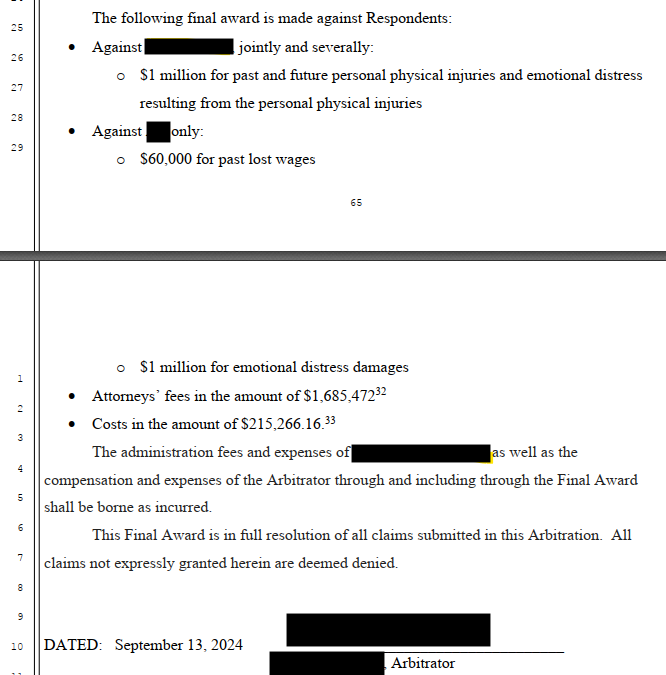
Our firm could help with civil actions brought in clergy sexual abuse matters. A claim could be brought against the clergyman who committed the abuse. The church or religious organization that the abuser was a part of can also be a defendant. In a civil case, the victim can ask for monetary compensation for past and future medical expenses, emotional pain and suffering, and punitive damages. A victim may also seek injunctive relief, which is when the court orders a party to take certain steps to prevent the abuse from happening to someone else.
What Evidence is Needed in a Clergy Sexual Abuse Claim
Civil claims can be brought against clergymen who committed abuse or religious organizations that failed to protect vulnerable individuals. Since the statute of limitations gives victims decades to come forward, the process of gathering evidence can be complicated. The exact combination of evidence depends on the specific lawsuit and how the abuse occurred. The following evidence may be used to build a civil case in Los Angeles proving clergy sexual abuse.
Survivor’s Testimony
Sexual abuse cases are often built on a victim’s detailed account of the abuse that occurred and its effects. A victim’s story can detail grooming, threats, abuse, and any other incidents that occurred to provide insight into the emotional and physical trauma that occurred.
Medical and Mental Health Records
Records from physical exams or therapy can support claims of recent abuse or abuse that took place decades earlier. An attorney may use records of medical treatment, hospital stays, or other injuries to establish a connection to the abuse. Records of therapy for anxiety, depression, and PTSD can demonstrate a pattern of distress caused by abuse.
Internal Documents
Internal records and documents can be pivotal to proving abuse occurred and are especially useful in claims alleging the organization’s negligence. Attorneys may gather copies of emails, personnel files, transfer records, complaint records, or other documents that help establish that abuse occurred and the role the organization played in enabling it or covering it up.
Witness Testimony
Witness testimony from other survivors, personnel, or other individuals who were a part of the victim’s life or the organization at the time the abuse occurred can be crucial supporting evidence. Witnesses can testify about the organizational environment, changes in the victim’s behavior, or personal experiences with the defendant. Our experienced abuse attorney can contact witnesses and issue subpoenas if necessary.
Expert Testimony
Testimony from psychologists, trauma specialists, and medical professionals helps provide insight into the physical and psychological impacts of abuse, how grooming works, why victims do not speak out, and other complex factors that are common in abuse cases. Expert witnesses establish credibility and educate the jury about complex subjects.
Photos, Video, and Communications
Media that establishes an inappropriate relationship between the abuser and victim can be used to strengthen a case. Videos, photos, or even voice recordings of abuse occurring can be crucial supporting evidence. Photos of injuries during the time when the abuse occurred or even pictures that suggest an inappropriate relationship between a minor and adult can support testimony to build a stronger case.
Digital communications, including emails or texts, can be used to help establish inappropriate behavior or a relationship between the abuser and victim. Such communications can also show that the abuse was not consensual. A victim’s or defendant’s digital footprint can also establish their location during the abuse.
Statute of Limitations for Sexual Abuse Cases
The statute of limitations sets a timeframe for when legal proceedings must start after an alleged incident.
The statute of limitations for criminal sexual abuse charges varies depending on the offense. For rape, oral copulation, lewd or lascivious acts, and continuous sexual or abuse of a child, if the offense was alleged to have been committed prior to the victim being 18 years old, the action can be commenced at any time prior to the victim’s turning 40 years old for crimes that were committed after January 1, 2015. Offenses must be brought within 10 years of the commission of the offense if the victim was over the age of 18 when the offense occurred.
The statute of limitations for civil claims is different. For sexual abuse of children under the age of 18 that occurred after January 1, 2024, there is no statute of limitations for a victim to bring civil charges against an abuser. As such, a victim can bring civil claims against their abuser at any time. For sexual abuse that occurred prior to January 1, 2024, a victim can bring a civil claim against their abuser until the age of 40 or within five (5) years of their discovery of the abuse or damages associated with their abuse, whichever is later.
Understanding where your case may fall within the statute of limitations can be difficult. The experienced team at LNN Personal Injury Lawyers in Los Angeles can help you determine what the statute of limitations may be for your clergy sexual abuse case.
What a Lawyer Does in a Clergy Sexual Abuse Case
Filing a clergy sexual abuse lawsuit in Los Angeles involves several legal requirements. By starting the process with consulting an experienced injury lawyer, victims can avoid making mistakes that can undermine the credibility of their case. Our experienced injury attorneys at LNN provide the following services to help victims of clergy sexual abuse hold their abusers accountable for their actions:
- A full assessment of the case and legal advice regarding the victim’s options for filing a claim for compensation
- Gathering evidence, interviewing witnesses, and corresponding with medical professionals to build a case
- Calculating damages, including emotional trauma and other non-economic damages related to abuse
- Filing all legal paperwork within required deadlines
- Negotiating with defense attorneys, institutions, and other relevant parties to reach a fair settlement
- Court representation if a trial is necessary
- Support and guidance throughout the entire legal process
Clergy sexual abuse claims are complex cases that often involve incidents that happened many years before a claim is filed. An experienced attorney will examine the unique nuances of each case and apply the services that will provide the best outcome for victims.
Get Started Today

 facebook
 Instagram
 Twitter
 Linkedin
 Youtube
 Tiktok


 600+ Google Reviews