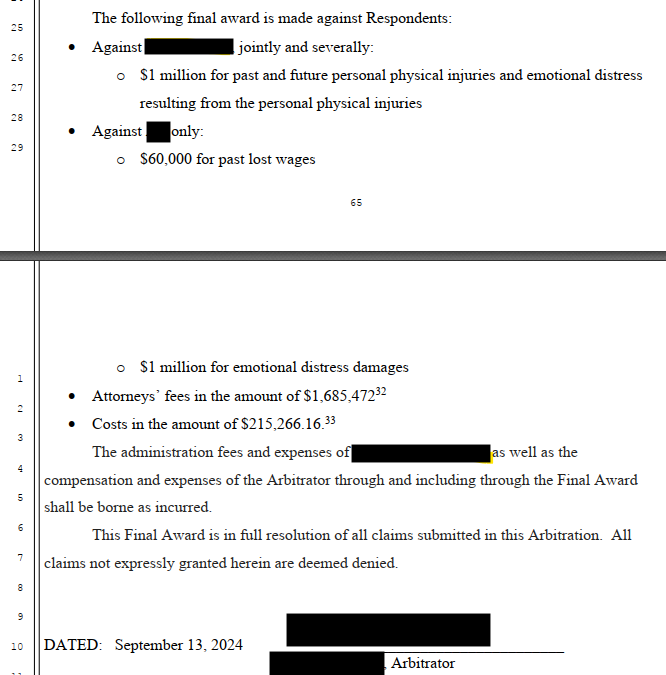
Recoverable Damages in a Traumatic Brain Injury Case
Given the crucial role of the brain, a TBI or other head injury can have a devastating impact and victims often suffer long lasting effects, while also incurring significant expenses. Relevant factors in TBI cases include the severity of the injury, the conduct of the defendant and the injured person, and the long-term impact on the injury.
After a TBI, it is not uncommon to require long term care or accommodations for disability, and to take time off work. Our traumatic brain damage lawyer could help a Los Angeles plaintiff recover the cost of medical care, long term expenses, lost income, and any other related costs. A lawsuit or settlement should also compensate people for the reduced quality of life they could experience. Other non-economic damages include compensation for pain and suffering, emotional distress, and reduced earning potential.
Statute of Limitations for Lawsuits
The statute of limitations for personal injury lawsuits in this state is two years; meaning a TBI victim has two years from the date of their injury to file a claim. If the injury develops over time or is not immediately discoverable, they may be able to file after the deadline so long as it was within one year of learning of the ailment. LNN could keep track of the filing expiration date and keep a potential claim on track.
What a Traumatic Brain Injury Attorney Does for You
Hiring the right Los Angeles lawyer is one of the most important decisions you can make after a serious head injury. Your attorney serves multiple critical roles throughout the lifecycle of your case:
Investigation and Evidence Gathering
An attorney will collect police reports, medical records, witness statements, and, when necessary, consult with medical experts to build a strong case. TBIs often require specialized documentation such as imaging studies (CT, MRI), neuropsychological evaluations, and expert opinions to prove both the injury and its long-term effects.
Valuing Your Damages
Your attorney assesses the full value of your damages, including current and future medical care, rehabilitation, lost wages, pain and suffering, and other long-term impacts that insurers may overlook.
Negotiation with Insurers
Insurance companies may try to minimize payouts or deny claims altogether — especially when brain injuries are involved. An experienced attorney knows how to negotiate and push back effectively to avoid underpayment.
Litigation and Trial Advocacy
If a fair settlement cannot be reached, your attorney is prepared to take your case to trial. They will file pleadings, manage discovery, examine witnesses, and advocate for your interests before a judge or jury.
Client Support and Communication
Beyond courtroom work, a good attorney communicates clearly, answers your questions, explains legal strategy, and helps you make informed decisions under stressful conditions.
Key Things to Look for in an Attorney
Not all attorneys are equally equipped to handle a serious TBI case. When selecting your legal counsel, consider these factors:
- Specialized experience: Look for attorneys with a demonstrated track record of handling traumatic brain injury or catastrophic personal injury cases, not just general traffic accident claims.
- Medical knowledge and network: An attorney should understand complex medical terminology related to brain injuries and have access to expert witnesses (neurologists, neuropsychologists, life care planners) to support your claim.
- Resources and financial capacity: Severe injury cases can be resource-intensive. Your attorney should have the financial backing and willingness to pursue expert consultations, detailed investigations, and trial preparation.
- Communication and responsiveness: Choose an attorney who listens to your concerns, answers your calls and emails promptly, and keeps you informed about the progress of your case.
- Reputation and client reviews: Client testimonials, peer reviews, and professional recognition can provide insight into how a firm operates and whether it delivers results and support for its clients.
- Trial readiness: Some attorneys settle cases quickly but lack courtroom experience. A lawyer who is prepared and comfortable to go to trial can often negotiate stronger settlement offers.
Statute of Limitations for Lawsuits
The statute of limitations for personal injury lawsuits in this state is two years; meaning a TBI victim has two years from the date of their injury to file a claim. If the injury develops over time or is not immediately discoverable, they may be able to file after the deadline so long as it was within one year of learning of the ailment. LNN could keep track of the filing expiration date and keep a potential claim on track.
Get Started Today


 facebook
 Instagram
 Twitter
 Linkedin
 Youtube
 Tiktok



 600+ Google Reviews