Common Forms of Workplace Retaliation Employees Face
Workplace retaliation goes beyond termination and often involves a pattern of conduct intended to pressure or silence employees. Employers may change job conditions, restrict opportunities, or escalate discipline after you assert your rights. These actions can be unlawful when motivated by an employee’s protected activity.
Common forms of employer retaliation include:
- Wrongful termination following a complaint or report
- Demotions, pay cuts, reduced hours, or unfavorable schedule changes
- Denial of promotions, raises, bonuses, or training opportunities
- Excessive discipline, heightened scrutiny, or selective rule enforcement
- Workplace isolation, removal of duties, or hostile treatment by management
Even when employers claim these actions are business-related, timing and unequal treatment often reveal retaliatory intent. Our Pasadena lawyer could identify these patterns and build workplace retaliation claims supported by evidence and statutory protections.
How Retaliation Claims Are Proven Under State Law
Circumstantial evidence, rather than direct admissions, often establishes claims involving retaliatory action. Courts frequently examine the timing between protected activity and adverse action, particularly when discipline or termination closely follows a complaint.
Additional evidence may include inconsistent employer explanations, deviation from company policies, or unequal treatment compared to similarly situated employees. Our Pasadena attorney gathers records, reviews internal communications, and challenges employer justifications designed to mask workplace retaliation.
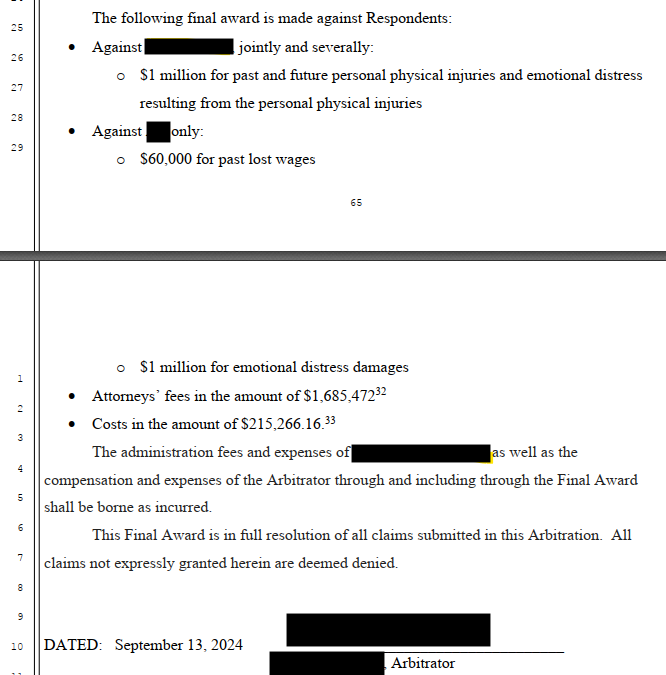
Successful retaliation claims may allow recovery for lost wages, emotional distress, and other employment-related damages. In cases involving serious misconduct, additional remedies may be available under state law.
Get Started Today

 facebook
 Instagram
 Twitter
 Linkedin
 Youtube
 Tiktok


 600+ Google Reviews