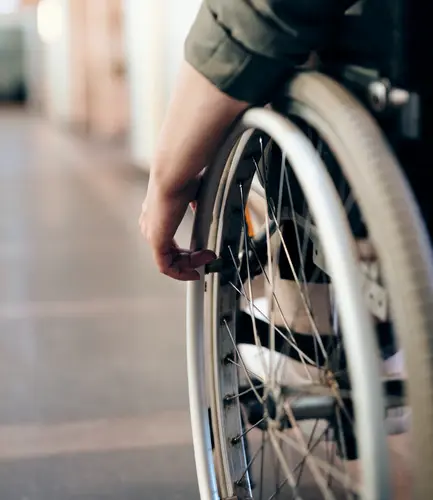
Kinds of Paralysis
When nerves in the human body cannot signal muscles to move, paralysis may occur below the nerve-damaging injury. Localized paralysis targets specific parts of the body, such as the vocal cords, hands, and feet. Named forms of paralysis affect more extensive areas:
- Monoplegia means one leg or one arm is paralyzed
- Hemiplegia affects one side of the body
- Diplegia affects mirrored sides of the body, including paralysis of both arms or legs
- Paraplegia is paralysis from the waist down
- Quadriplegia, or tetraplegia, affects the entire body below the neck
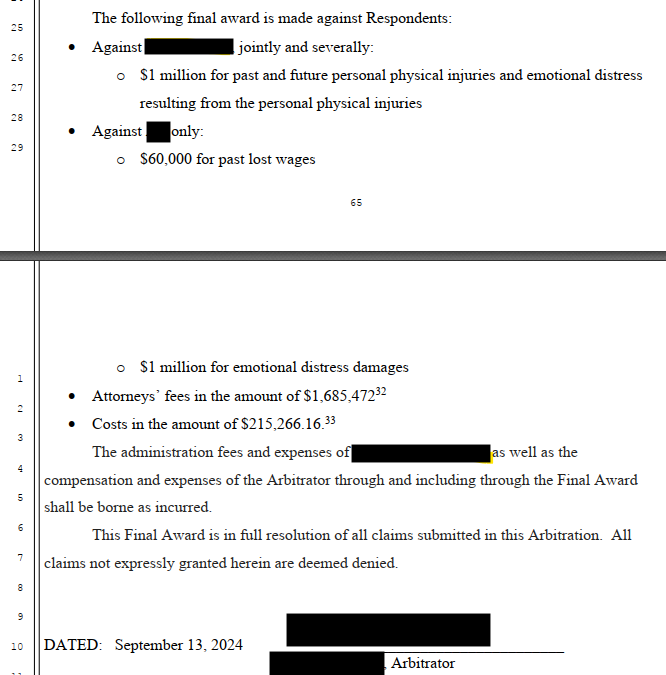
Along with living with the physical consequences of a paralyzing accident, many people encounter emotional distress after realizing they are now disabled for life. Psychological and emotional losses are very real and should be compensated when someone else causes them. Our paralysis injury attorney in Los Angeles reviews each person’s case to identify at-fault parties and hold them accountable for their behavior.
Types of Accidents Leading to Claims
While every case is unique, certain scenarios in Los Angeles frequently lead to catastrophic spinal cord injuries that cause paralysis.
- Motor Vehicle Collisions: High-speed impacts on freeways like the 101 or the 110 are a leading cause of spinal trauma. This includes truck accidents, where the sheer force of a commercial vehicle can crush a passenger car, and motorcycle accidents, where riders have little protection against impact.
- Construction Site Accidents: With the constant development across LA, construction workers face high risks. Falls from scaffolding, ladder failures, or being struck by falling objects can easily sever the spinal cord.
- Slip and Fall Incidents: Property owners in California have a duty to keep their premises safe. A slip on a wet floor in a grocery store or a trip on uneven pavement can result in a devastating fall that damages the vertebrae.
- Sports and Recreational Injuries: From diving accidents in shallow pools to impact injuries in contact sports, recreational activities carry inherent risks that can be exacerbated by defective equipment or lack of supervision.
- Medical Malpractice: Surgical errors, particularly during spinal surgeries, or failure to diagnose a spinal abscess or tumor can directly lead to paralysis.
Understanding the cause is the first step in identifying liability.
Proving Fault in Paralysis Cases
Securing compensation requires more than showing you were injured; we must irrefutably prove that another party is legally responsible. In California, this generally requires establishing the four elements of negligence:
- Duty of Care: We must establish that the defendant owed you a duty to act reasonably (e.g., a driver’s duty to follow traffic laws or a doctor’s duty to meet the standard of care).
- Breach of Duty: We must provide evidence that the defendant breached this duty through action or inaction. This could be texting while driving, failing to secure a construction site, or a surgical error.
- Causation: There must be a direct link between the breach of duty and your spinal cord injury. Defense attorneys often try to argue that the injury was pre-existing or caused by an unrelated event; we use forensic evidence and expert testimony to counter these claims.
- Damages: Finally, we must prove that the injury resulted in actual losses, both economic and non-economic.
It is important to note that California follows a pure comparative negligence rule. This means that even if you were partially at fault for the accident—for example, if a jury decides you were 20% responsible—you can still recover damages, though your award will be reduced by that percentage. Our goal is to minimize your assigned liability to maximize your recovery.
Documenting Damages and Immediate Steps After an Injury
After a paralyzing injury, taking immediate action can significantly impact the success of your claim. Proper documentation and timely steps not only strengthen your case but also ensure you receive the compensation you deserve. Here’s what you should do:
Seek Immediate Medical Attention
Your health and safety come first. Even if you feel fine initially, spinal injuries can worsen over time. Prompt medical evaluation creates a record of your injuries, which is crucial for proving the extent of your damages.
Document the Scene
If possible, take photos or videos of the accident scene, including any hazards, vehicles, or equipment involved. Capture details like weather conditions, lighting, and any visible injuries. These visuals can serve as powerful evidence.
Gather Witness Information
Collect contact details from anyone who witnessed the incident. Their statements can corroborate your account of what happened and help establish fault.
Keep a Record of Your Symptoms and Limitations
Keep a journal detailing your physical pain, emotional distress, and how the injury has impacted your daily life. This can help demonstrate the non-economic damages you suffered, such as loss of enjoyment of life.
Save All Medical Records and Bills
Retain copies of your medical reports, prescriptions, therapy sessions, and any other related expenses. These documents are essential for calculating economic damages.
Avoid Speaking to Insurance Adjusters Without Legal Counsel
Insurance companies may try to minimize your claim. Consult with a Los Angeles paralysis injury attorney before providing any statements or signing documents.
Consult an Experienced Paralysis Injury Attorney
A skilled attorney can guide you through the legal process, gather evidence, and build a strong case to hold the negligent party accountable.
By taking these steps, you not only protect your health but also lay the groundwork for a successful claim. Our lawyers are here to help you navigate this challenging time and fight for the compensation you deserve.
Schedule a Free Consultation

 facebook
 Instagram
 Twitter
 Linkedin
 Youtube
 Tiktok


 600+ Google Reviews