Understanding Damages in Injury Claims
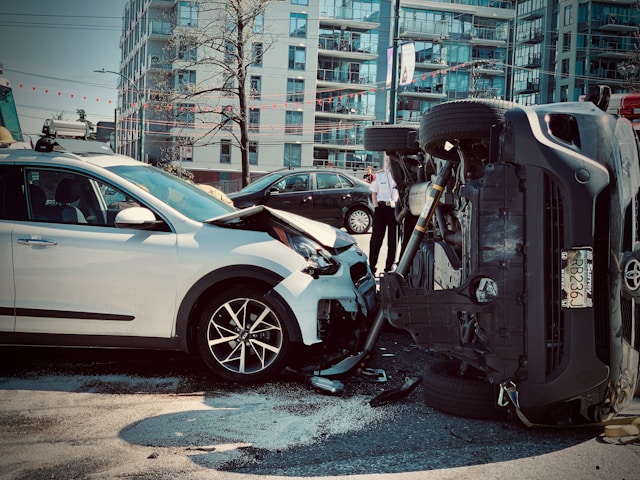
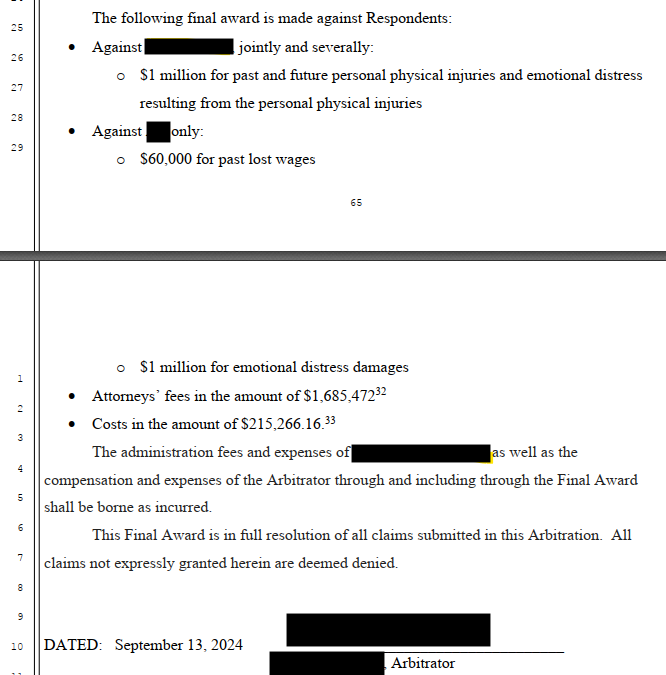
After a car crash in Los Angeles, recoverable damages fall into two broad categories: economic and non-economic. Economic damages cover measurable costs such as hospital visits, follow-up care, lost wages, and property repair. Non-economic damages address the harder-to-quantify effects such as ongoing pain, emotional distress, or a loss of quality of life.
California follows a pure comparative negligence rule, meaning that even if you share part of the blame for the accident, you can still seek damages. The amount, however, is reduced in proportion to your level of fault. This rule is established in California Civil Code § 1714 and explained further in the state’s landmark Li v. Yellow Cab Co. decision. Another important statute, California Civil Code § 1431.2, limits a defendant’s responsibility for non-economic damages to their share of fault, while keeping them jointly responsible for economic losses.
Key points to remember include:
- Medical treatment records provide essential support for injury claims
- The statute of limitations for personal injury is usually two years
- Property damage claims typically carry a three-year deadline
- Comparative negligence reduces, but does not eliminate, recovery rights
- The existence of multiple responsible parties can alter how damages are divided
Accident cases require detailed evidence. Police reports, medical imaging, physician notes, and proof of income are all vital pieces. If the crash involves a rideshare vehicle, delivery truck, or other commercial driver, the insurance landscape can become even more complex, with overlapping policies and notice requirements.
Schedule A Free Consultation

 facebook
 Instagram
 Twitter
 Linkedin
 Youtube
 Tiktok


 600+ Google Reviews