How Do You Prove a Sex Discrimination Claim?
Building a successful claim requires collecting and organizing strong evidence. You may need to show patterns of unequal treatment, proof of discriminatory remarks, or documentation that highlights differences in pay, promotions, or job responsibilities. Witness statements from coworkers or evidence of company-wide practices may also strengthen your case.
State courts recognize both direct and circumstantial evidence of discrimination. Direct evidence could be an email or statement from a supervisor that makes the employer’s bias clear. Circumstantial evidence may involve showing how policies are applied inconsistently, resulting in unfair treatment. Our legal team could assist you in gathering, preserving, and presenting this evidence in a way that supports your claim of sex-related workplace bias in Bakersfield.
What Remedies Could You Seek?
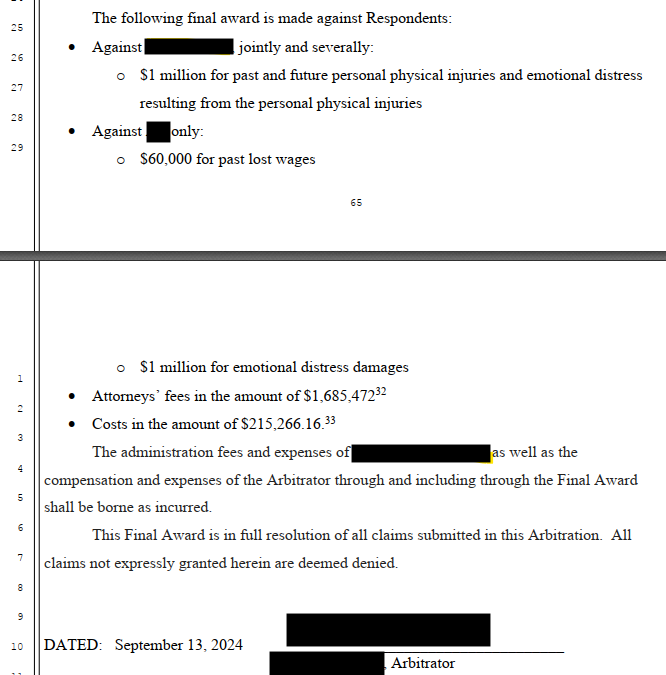
You may be entitled to compensation if your discrimination claim is successful. Under state law, remedies may include job reinstatement, recovery of lost wages, and compensation for emotional distress. In some cases, you could also pursue punitive damages if your employer’s conduct was especially harmful or reckless.
Additionally, your case could result in policy changes within your workplace. You may not only be protecting your own rights but also helping to create a safer and more equitable environment for others by bringing your claim. In Bakersfield, our lawyer could advocate for every form of relief available to you under employment discrimination law.
Why Choose Our Firm to Represent You?
Gender-based discrimination claims require persistence and a detailed understanding of state and federal employment law. Attempting to pursue a case on your own may leave you vulnerable to legal tactics designed to minimize or dismiss your claim.
Our experienced attorneys could help you successfully navigate the process. When you work with us, you gain a team that aggressively advocates for your rights, handles negotiations, and is prepared to take your case to court if necessary.
Get Started Today

 facebook
 Instagram
 Twitter
 Linkedin
 Youtube
 Tiktok


 600+ Google Reviews