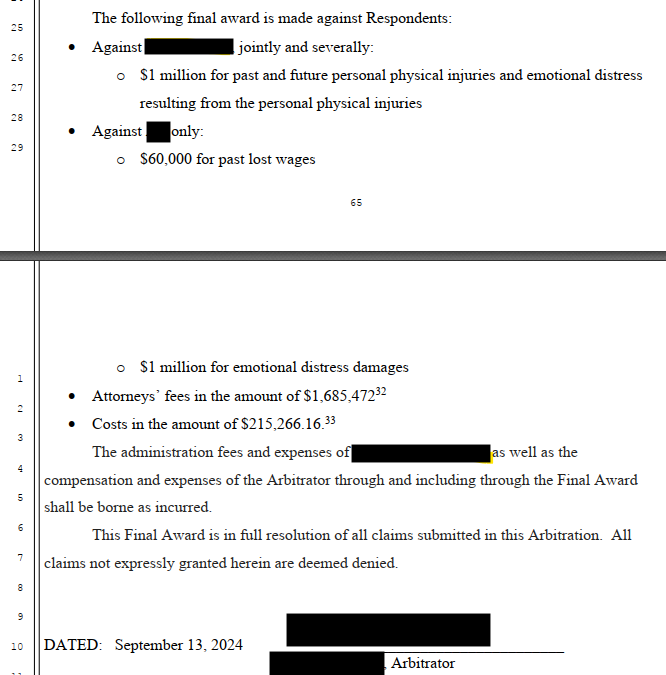
What Conduct Counts as Workplace Harassment?
The California Fair Employment and Housing Act, commonly called FEHA, prohibits workplace harassment in Los Angeles based on protected characteristics such as race, sex, age, disability, religion, national origin, sexual orientation, gender identity, and medical condition. Harassment may be verbal or physical, and it can range from slurs and offensive jokes to unwanted touching or pressure for sexual favors.
Workers in nearly every industry encounter this conduct, and the law protects them regardless of job title or immigration status. A claim may arise from a single severe act or from repeated behavior that creates a hostile workplace. Anyone experiencing workplace harassment should know the harasser need not be a direct supervisor, because unlawful conduct may come from a coworker or even a client. Under California Government Code § 12940, an employer must take reasonable steps to prevent and correct harassment, and one that ignores a complaint may face severe legal consequences.
Employer Duties and Protection From Retaliation
Employers cannot avoid responsibility by ignoring warning signs. They should maintain clear anti-harassment policies and investigate complaints promptly. California employers with five or more employees must also provide sexual harassment prevention training every two years for supervisors and other workers alike.
You are protected when you report suspected harassment or take part in an investigation in Los Angeles. Retaliation can range from termination or demotion to reduced hours and fabricated discipline. Anyone facing harassment or retaliation should document the conduct by saving relevant emails and records and noting the dates and witnesses involved. Follow the employer’s reporting policy when it is safe to do so, but do not let internal procedures delay legal advice.
Schedule A Free Consultation

 facebook
 Instagram
 Twitter
 Linkedin
 Youtube
 Tiktok


 600+ Google Reviews