How Employers Attempt To Defend Retaliation Claims
Employers rarely admit they fired someone for reporting misconduct. Instead, they frequently claim the termination resulted from performance concerns, policy violations, or layoffs. Proving retaliation often requires evidence showing a connection between the complaint and the firing.
When an employee in Los Angeles is wrongfully terminated after reporting fraud, evidence showing a sudden change in treatment may help establish unlawful retaliation. Important evidence may include:
- Emails discussing complaints or investigations
- Positive performance evaluations before termination
- Human resources records
- Witness statements from coworkers
- Written disciplinary notices issued after complaints
California remains an at-will employment state under CA Labor Code § 2922. However, employers cannot terminate workers for unlawful reasons, including retaliation tied to whistleblower activity.
Retaliation may also begin before termination occurs. Some employees experience reduced hours, exclusion from meetings, hostile treatment, or demotions after reporting unlawful conduct. These actions may strengthen an employment retaliation claim when connected to protected whistleblower activity.
Compensation That May Be Available After a Wrongful Termination
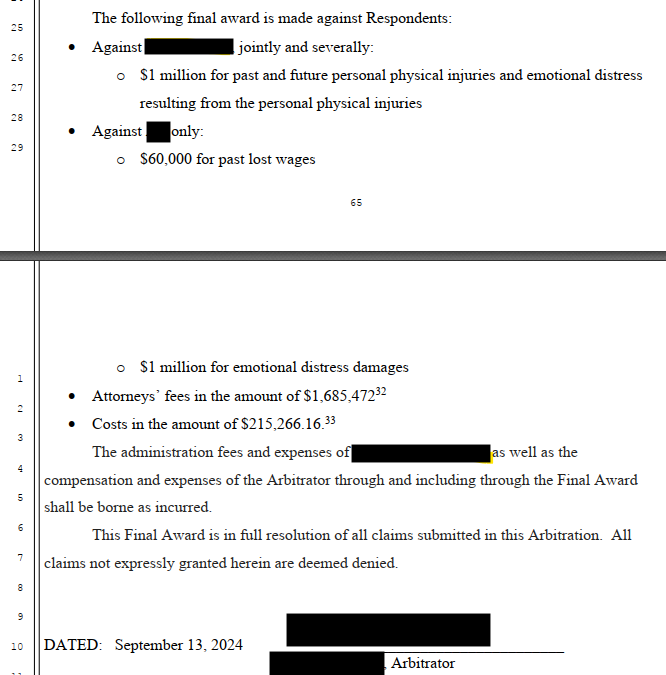
A successful employment claim may allow you to recover damages connected to your termination. The value of a claim depends on factors such as lost earnings, future employment opportunities, and the circumstances surrounding the retaliation.
If you suffered unlawful termination in Los Angeles after reporting fraudulent activity, you may be able to pursue compensation for lost wages, employment benefits, emotional distress, and damage to your professional reputation. State law may also allow recovery of attorneys’ fees and litigation costs in certain cases.
Whistleblower claims are often heavily contested, especially when they involve hospitals, healthcare systems, or large corporations. Our lawyer could help preserve evidence, identify violations of state law, and advocate for your interests throughout the legal process.
Get Started Today

 facebook
 Instagram
 Twitter
 Linkedin
 Youtube
 Tiktok


 600+ Google Reviews