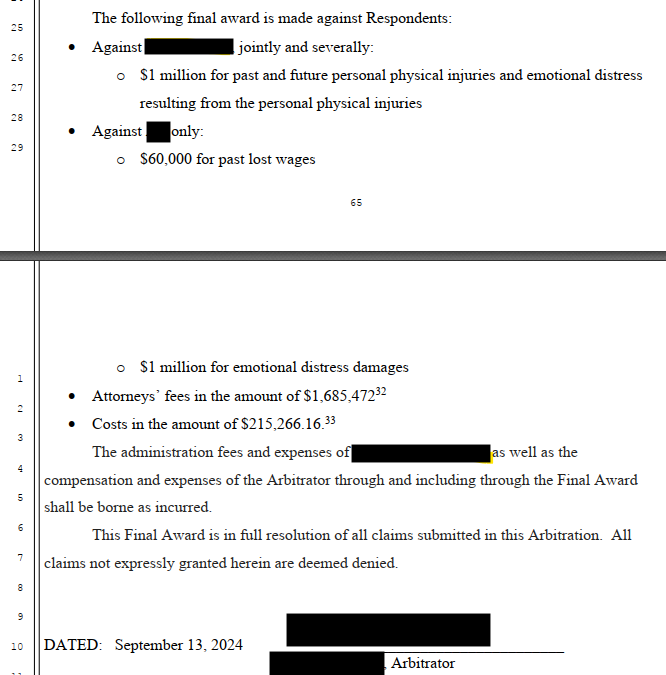
What Qualifies as an Unwanted Advance in the Workplace
Under California Government Code § 12940(j), it is unlawful for an employer or its agents to engage in harassment or to allow a hostile work environment to continue. Improper conduct may come from supervisors, coworkers, clients, or customers, and the law does not require physical contact for harassment to occur.
This type of behavior may involve repeated actions or a single severe incident that interferes with your ability to perform your job. In Bakersfield, when sexual harassment or unwanted advances occur, our attorneys can help determine whether the conduct meets the statutory definition of unlawful workplace harassment.
Examples of improper conduct include:
- Repeated requests for dates or personal contact after rejection
- Sexual comments, jokes, or remarks about appearance
- Unwelcome touching, blocking movement, or invading personal space
- Messages, emails, or images of a sexual or suggestive nature
This conduct can violate FEHA even when framed as joking or informal behavior.
Employer Responsibility for Preventing Harassment
Employers have a statutory duty to take reasonable steps to prevent and correct harassment. California Government Code § 12940(k) requires employers to maintain effective policies, provide training, and respond appropriately to complaints. When an employer fails to meet these obligations, they may be legally responsible for the harm caused.
Examples of employer failures include:
- Ignoring or minimizing harassment complaints
- Failing to conduct timely and impartial investigations
- Allowing known offenders to continue their behavior
- Retaliating against employees who report misconduct
If your Bakersfield employer failed to respond to your complaints of unwanted advances, our lawyers can help you hold them accountable.
Schedule a Free Consultation

 facebook
 Instagram
 Twitter
 Linkedin
 Youtube
 Tiktok


 600+ Google Reviews