Common Slip and Fall Causes and Locations
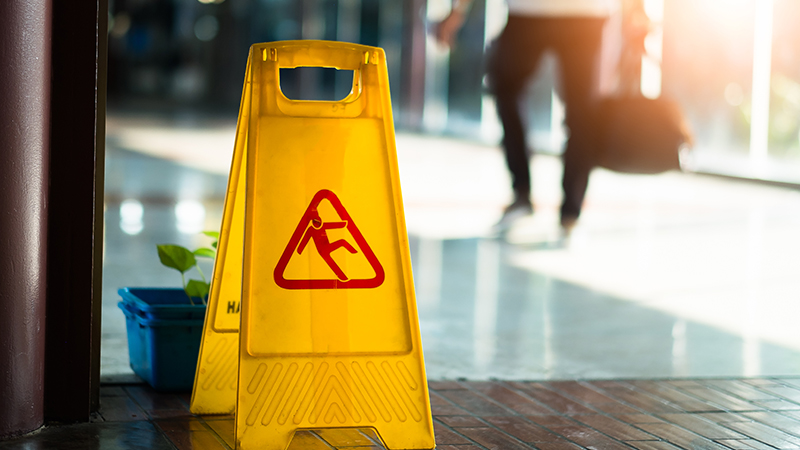
Slip and fall accidents occur in various settings due to hazardous conditions that property owners fail to address. Wet or slippery floors from recent cleaning, spills, or leaks are among the most frequent causes, especially in grocery stores, restaurants, and shopping malls. Uneven surfaces, cracked sidewalks, potholes in parking lots, and damaged flooring create tripping hazards that lead to serious injuries. Poor lighting in stairwells, hallways, or parking garages prevents people from seeing dangers in their path.
Weather-related hazards like ice and snow on walkways, particularly in areas where property owners neglect to salt or shovel, cause numerous winter accidents. Cluttered walkways, loose cables, or merchandise left in aisles create obstacles that result in falls. Defective or missing handrails on stairs, worn carpet, loose floorboards, and recently waxed floors without warning signs also contribute to accidents.
These incidents commonly occur in retail stores, supermarkets, hotels, restaurants, office buildings, apartment complexes, hospitals, and parking facilities. Even private residences can be the site of slip and fall accidents when homeowners invite guests onto unsafe properties. Property owners and managers have a legal duty to maintain safe premises and warn visitors of known hazards. When they fail in this responsibility, they can be held liable for resulting injuries.
Types of Injuries Caused by Falls
Slip and fall accidents can cause severe, life-altering injuries that require extensive medical treatment and rehabilitation. Head injuries and traumatic brain injuries are particularly dangerous, especially when victims strike their heads on hard surfaces during the fall. These injuries can result in cognitive impairment, memory loss, and permanent disability. Spinal cord injuries may lead to partial or complete paralysis, fundamentally changing a victim’s quality of life.
Broken bones are extremely common in slip and fall cases, particularly hip fractures in elderly victims, which often require surgery and lengthy recovery periods. Wrist, arm, and ankle fractures frequently occur when people instinctively try to catch themselves during a fall. Shoulder injuries, including rotator cuff tears and dislocations, cause chronic pain and limited mobility.
Soft tissue injuries like sprains, strains, and torn ligaments may seem minor initially, but can lead to long-term complications and chronic pain. Knee injuries, including torn meniscus and ACL damage, often require surgical intervention. Back injuries ranging from herniated discs to compression fractures can cause debilitating pain and necessitate ongoing treatment. Cuts, lacerations, and facial injuries may result in permanent scarring. Some victims develop post-traumatic stress or anxiety about walking in public spaces after a serious fall.
How to Respond After a Slip and Fall Accident
Slip and fall accidents can be challenging. If they occur in a public setting, many people try to minimize their injuries because they do not want to make a scene. If they occur at the home of a friend or family member, a victim may not want anyone to fuss or worry, so it can be tempting to pretend like nothing hurts. Ignoring it is rarely successful. If something hurts in the immediate aftermath of an accident or event, then it is probably going to hurt more later.
Instead of worrying about preserving people’s feelings or not making a scene, a slip and fall victim needs to get appropriate medical care. Getting medical care as soon as possible after an accident helps prove the injuries were the result of the event. Even more importantly, getting medical care as soon as possible can keep the injury from getting worse. Many injuries will get worse if not treated properly, which can change the course of treatment, length of recovery, and even whether someone is permanently disabled.
While prompt medical care should be a priority, it is also essential to gather evidence that can help establish negligence. Pictures of the scene, witness names and contact information, and a description of the event can help document what happened. If the victim cannot get photos, it is helpful if someone else gets photos as soon as possible.
An injured person should also work to preserve other evidence—especially evidence that can help challenge any potential defenses. One of the most common defenses in a slip and fall accident is to blame the victim’s clothing—particularly footwear. Documenting the shoes that they were wearing at the time of the accident is essential. Our Bakersfield attorneys could provide additional advice about how to preserve evidence after a tripping accident.
Schedule a Free Consultation


 facebook
 Instagram
 Twitter
 Linkedin
 Youtube
 Tiktok


 600+ Google Reviews