How Do You Prove Distracted Driving?
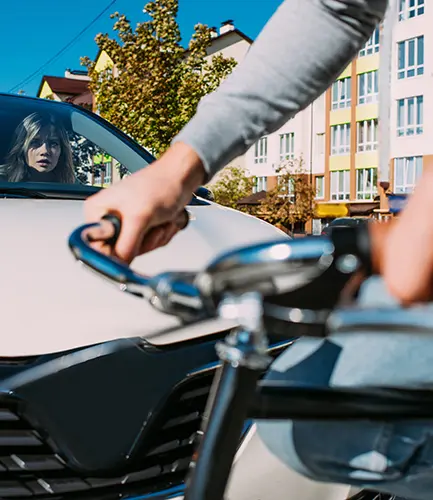
Drivers rarely admit distractions, so proving it depends on evidence gathered after the crash. Phone records can show a call or text at the moment of impact, and witness accounts or nearby surveillance video can show a driver looking down or drifting between lanes. A violation of the state’s handheld-phone laws also helps: California Vehicle Code § 23123 requires hands-free use, and California Vehicle Code § 23123.5 bars holding a device to text or browse. Thus, a documented violation can be strong evidence of negligence.
In Los Angeles, our attorneys could preserve the proof before someone deletes it and, when a case calls for it, work with car accident reconstruction professionals to connect the distracted driving to the collision. You usually have to request cell-phone data formally, sometimes through a subpoena, and obtaining it can take time. Starting that process early is often the difference between proving a distraction and having only a suspicion.
Damages and Comparative Fault in a Distracted Driving Claim
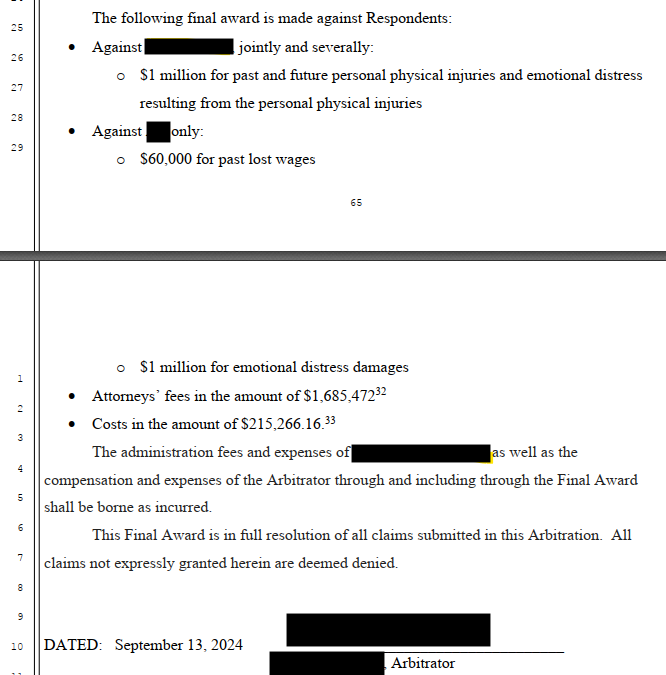
An injured person may recover both economic and non-economic damages, from medical bills and lost income to future treatment and the physical and emotional toll of the injury.
The state uses a pure comparative fault rule, so a distracted driver’s insurer may argue that you share blame to reduce what it pays. In Los Angeles, our lawyers thoroughly document losses and answer comparative fault arguments to protect your recovery after a distracted driving car accident. Non-economic losses, such as the lasting pain or anxiety that can follow a serious crash, are often the most disputed because you cannot quantify them. Consistent medical treatment and detailed records help show how real those losses are.
Get Started Today

 facebook
 Instagram
 Twitter
 Linkedin
 Youtube
 Tiktok


 600+ Google Reviews